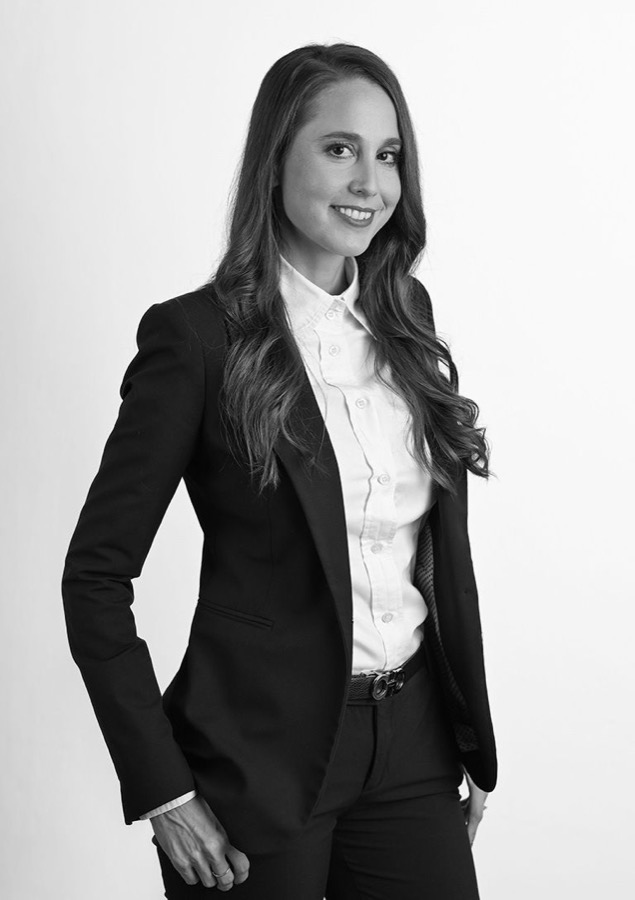
In 1975 Ray Dalio founded an investment firm in his two-room flat in New York. Today Bridgewater Associates is the largest hedge fund in the world, with more than USD 150 billion under management. Dalio’s real contribution, though, is not measured in money. He changed the way we think about investing, management and life.
His All Weather portfolio delivered an average annual return of 9.88% with a standard deviation of only 7.82%. Across four decades it recorded just three losing years, the worst of them −3.93%. The most interesting part is that his strategy is no secret. In Principles he wrote down 375 principles that he tests every day.
The economy as a machine
The foundation of Dalio’s philosophy is surprisingly simple. The economy works like a machine with predictable parts. Three forces drive it: productivity growth, the short-term debt cycle (five to eight years) and the long-term debt cycle (50 to 75 years). From these he derived four economic “seasons”, each of which suits a different asset class: equities, commodities, bonds or gold.
All Weather: a portfolio for every climate
Most investors believe that 50% equities and 50% bonds adds up to a diversified portfolio. Dalio showed that equities can account for as much as 80% of the total risk. His approach diversifies by risk rather than by capital: 40% long-dated government bonds, 30% equities, 15% intermediate bonds, 7.5% commodities, 7.5% gold. The aim is not to win every year, but to hold up in any environment.
Mistakes as teachers
In the 1980s a bad forecast almost bankrupted Dalio. Instead of giving up, he turned the episode into the basis of his philosophy: identify the mistake as early as possible, analyse the causes without defending yourself, write a principle that prevents a repeat, and test it in practice.
What we take from it
A system beats intuition. Genuine diversification protects against disaster. And the successful investor is not the one who never makes a mistake, but the one who has principles for learning quickly. That is exactly why we build on data, due diligence and a cool head instead of hype.